
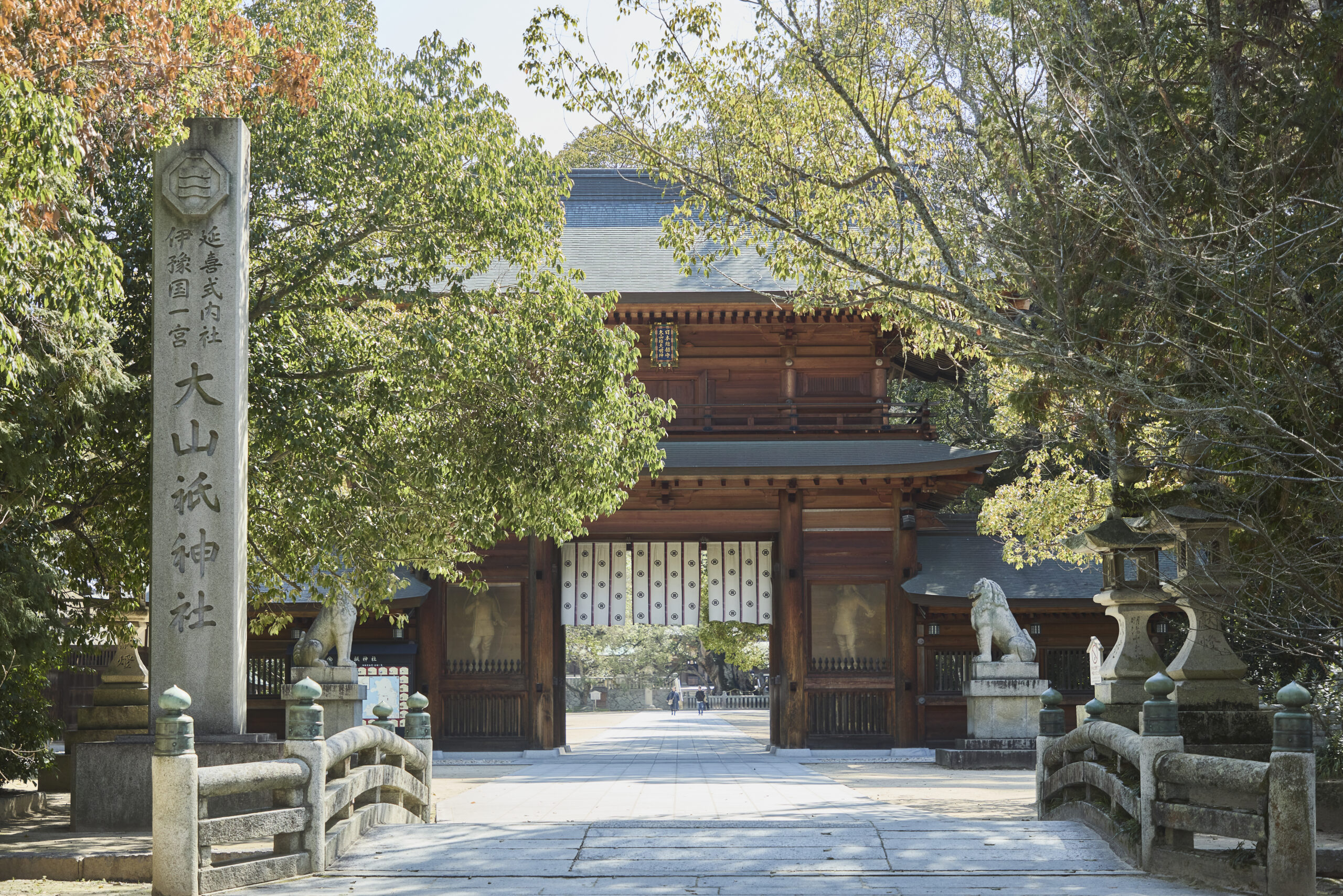
Tracing Faith and Landscape, Shaped by the Sea
There is an island in the Seto Inland Sea that has long been called the island of the gods.
Ōmishima lies just beside Ikuchijima, the island where Azumi Setoda stands. At its heart is an ancient shrine — one dedicated to a deity who watches over both mountain and sea. The shrine’s founding reaches back to the eighth century, to the Nara period. In those days, there were no bridges. Passage by boat was uncertain, often dangerous. And yet people came. They crossed the water and built a sanctuary here.
Why this place? That question stays with you as you step off the boat.
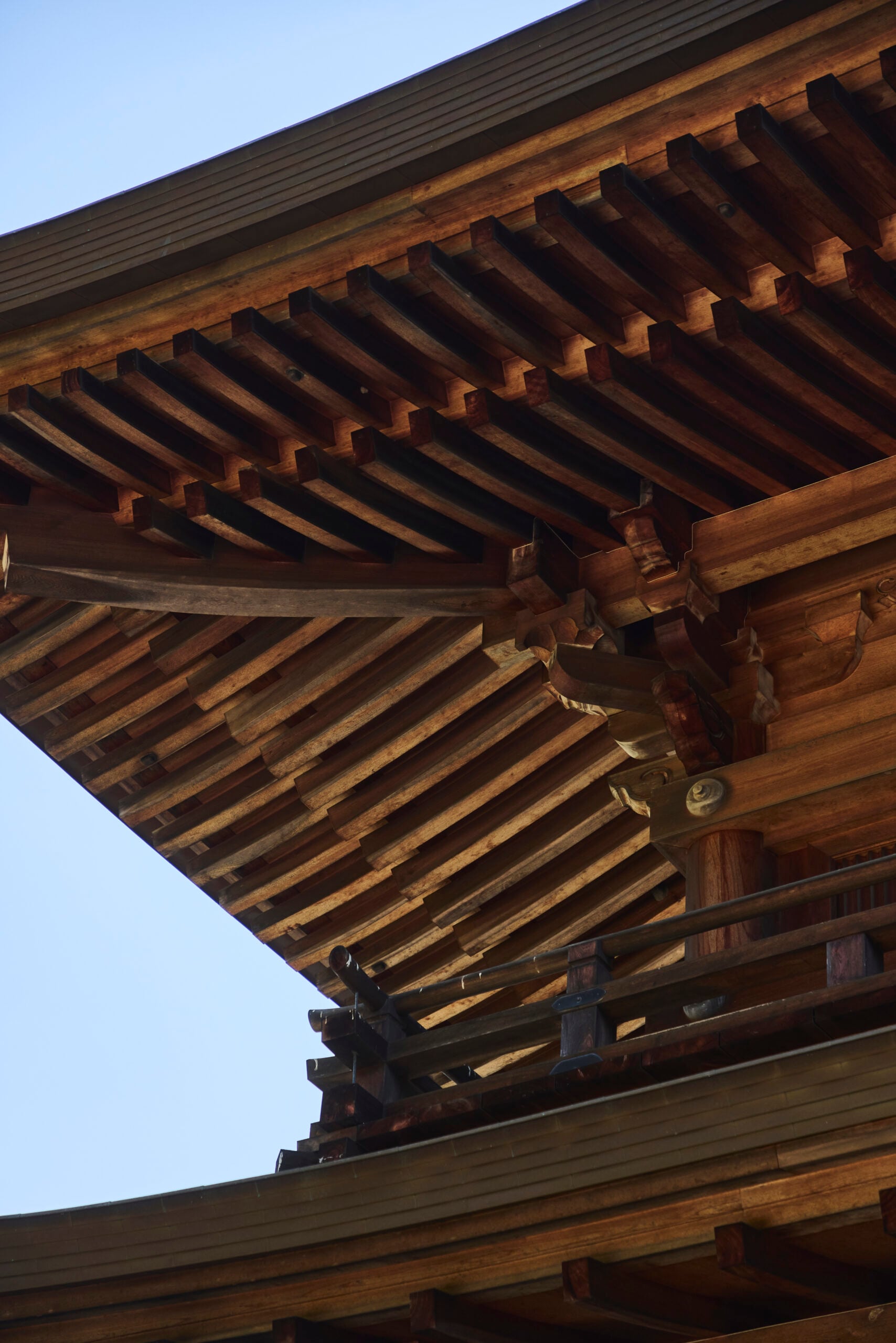
The shrine is Ōyamazumi Shrine.
Its deity, Ōyamazumi-no-Mikoto, is recorded in Japan’s oldest chronicles as the god of mountains. Yet the deity holds another name — Wataishi-no-Ōkami — and wata is an ancient word for the sea. A mountain god whose very name carries the sea within it.
By imperial decree, the shrine was granted the title Nihon Sōchinju — Great Protector of All Japan. It stands today as the head shrine of more than ten thousand sanctuaries across the country dedicated to this deity. The reverence it commands is old, and it runs deep.cated to this deity.
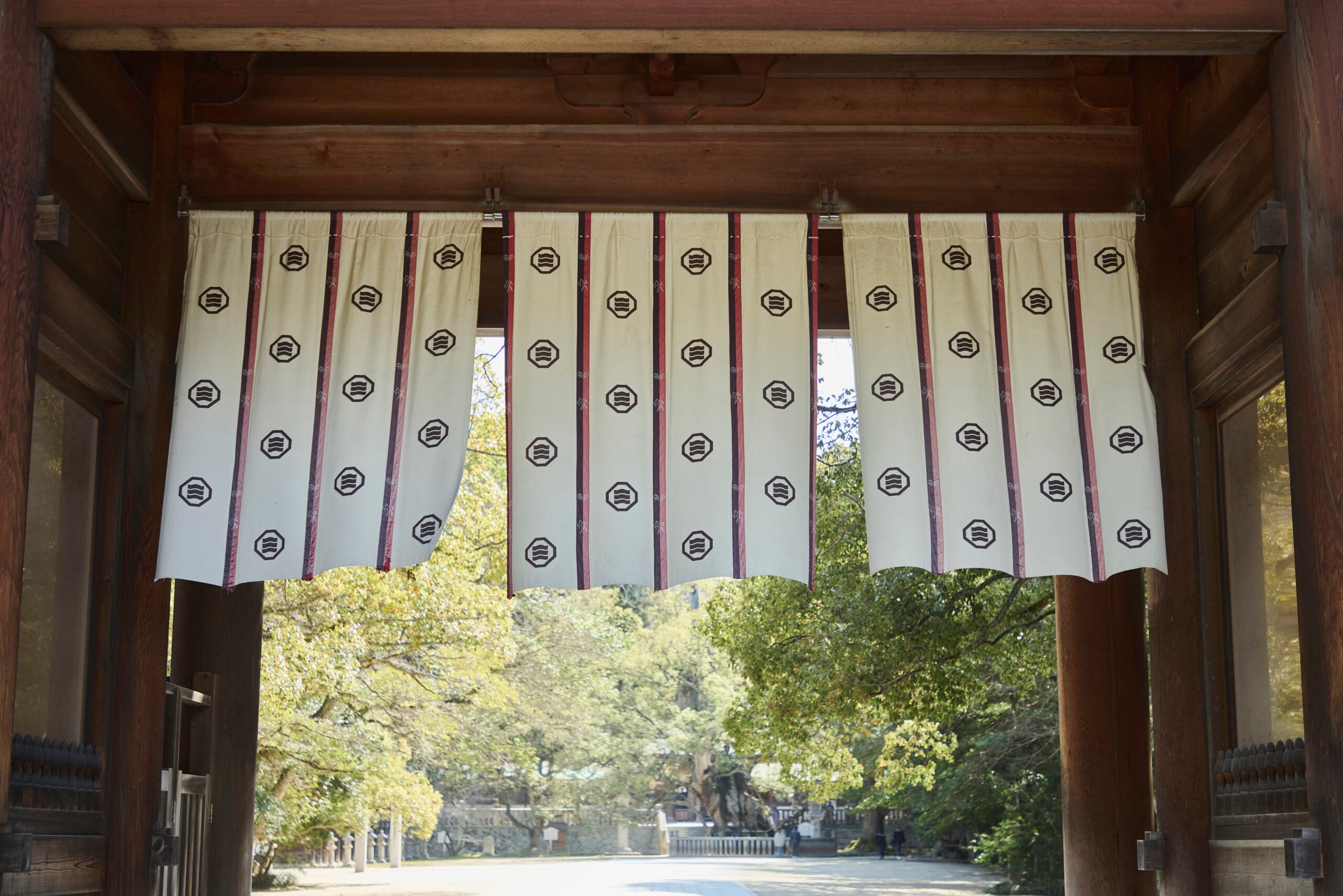
You walk the long approach and pass through the gate.
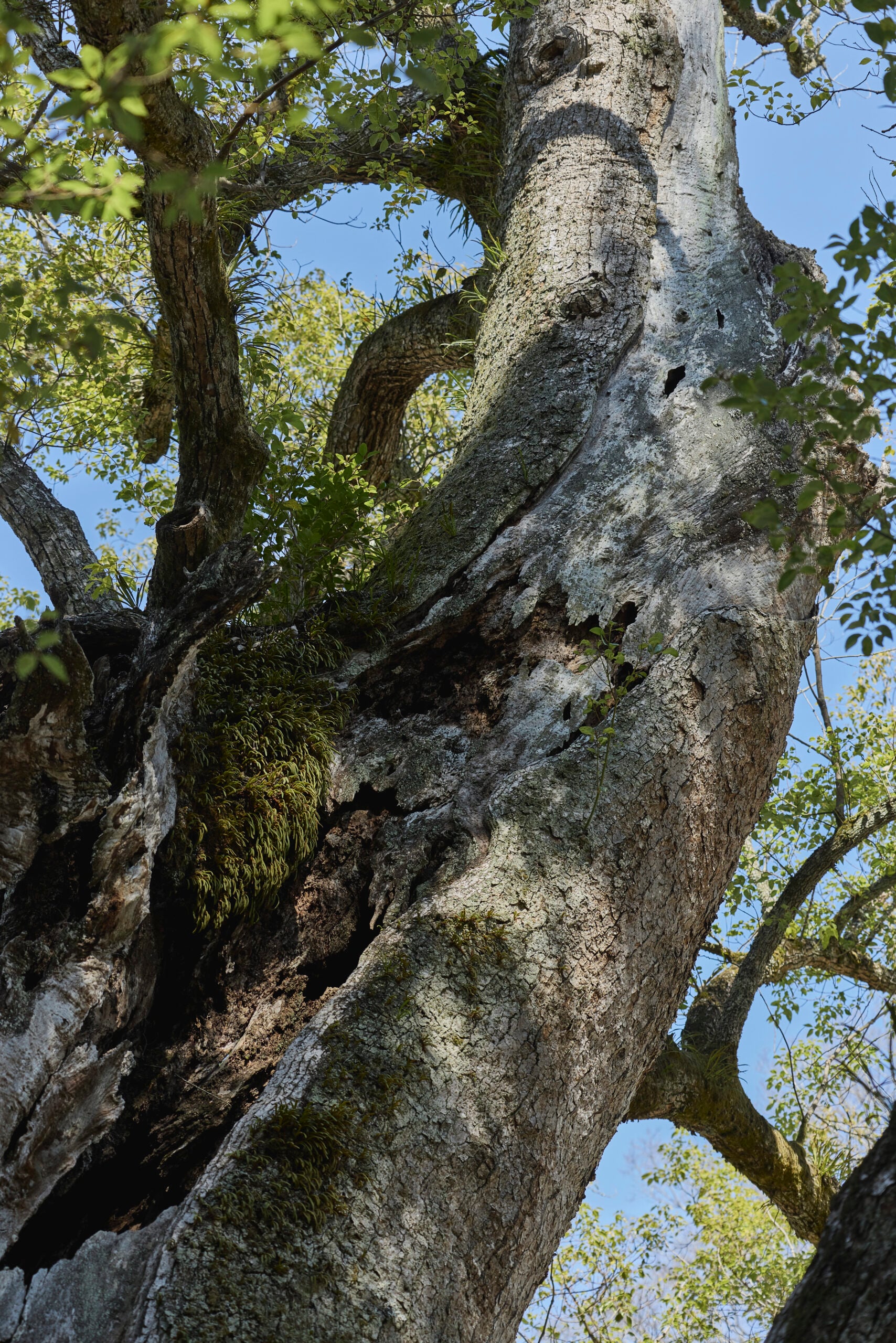
At the center of the precincts stands a camphor tree said to be over 2,600 years old. You do not reach out to touch it. You simply stand beside it — and something shifts. Not a thought, exactly. More like an awareness of how much time has passed through this place, and how little of it belongs to you.
For centuries, warriors from across Japan have brought offerings here. Minamoto no Yoshitsune, one of the most celebrated commanders in Japanese history. The Murakami pirates, who for generations controlled these very waters. Each came with weapons, with armor, with prayer. The treasure hall holds what they left behind — hundreds of pieces, many designated as National Treasures.
What strikes you is not the grandeur of it. It is the accumulation. Layer upon layer of people who believed this place held something worth crossing the sea for.
After paying your respects, you follow a path behind the shrine up toward a small lookout on the mountain.
When you emerge, the sea is everywhere.
Bridges arc between islands, one after another, disappearing into the haze. The light falls at a particular angle — soft, even, unhurried. You stand there for a while, not quite wanting to name what you’re feeling.
Then the geography begins to explain itself.
The Seto Inland Sea is cradled between two mountain ranges: the Shikoku Mountains to the south, the Chūgoku Mountains to the north. Seasonal winds shed their moisture climbing those peaks, arriving here as clean, dry air. Rain is rare. Sun is the norm. The winds from mountain and sea meet above the island and soften into something pleasant, almost still.
The soil, for a remote island, is startlingly rich.
Ancient people sensed something here that went beyond explanation. Standing at the lookout, you begin to feel it too — not as an idea, but as a fact of the body.。
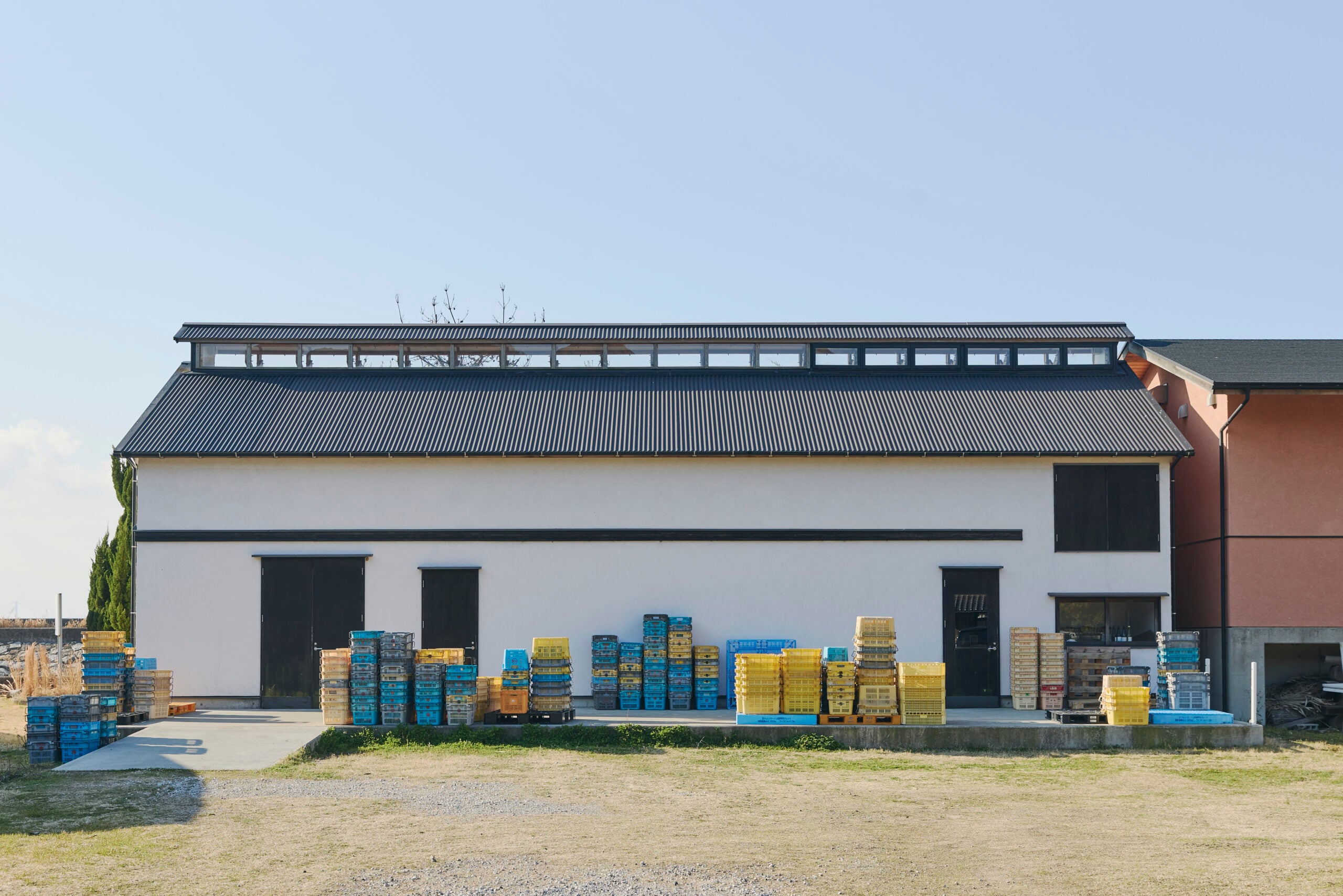
You leave the shrine and follow the island’s narrow roads.
On both sides, mandarin orange groves rise up the slopes. Citrus has sustained life on this island for generations, its fruit carried by boat across the inland sea to tables far away. But as farming communities have aged, more and more orchards have fallen quiet — the trees still standing, the harvests no longer coming.
From this land, tended again with care, Ōmishima Minna no Winery was born.
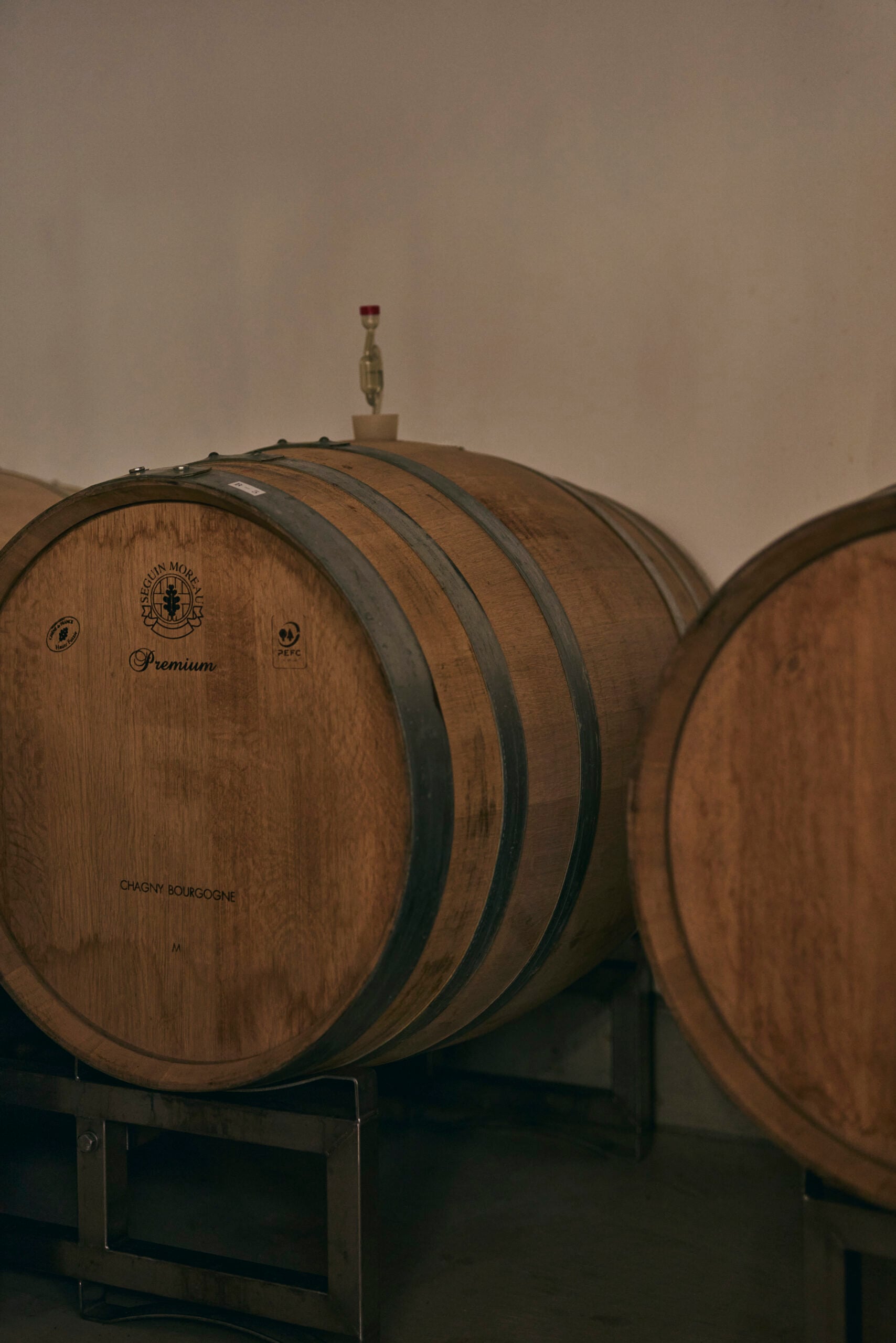
You open the door of the winery and the scent of fermentation moves toward you — yeasty, earthy, alive. It is a smell that takes a moment to settle into. You stand before the barrels and feel, in a small way, the patience required to make something here.
There is a detail in the mythology worth knowing. Ōyamazumi-no-Mikoto is said to be the patron deity of sake brewing. When the deity’s daughter gave birth, the story goes, the deity brewed a drink from grain in celebration — and that act became the origin of sake. Of fermentation. Of turning what the earth gives into something that lasts.
That wine is now being made on this island, on this soil, beneath this same sky — it does not feel like coincidence. It feels like a continuation.
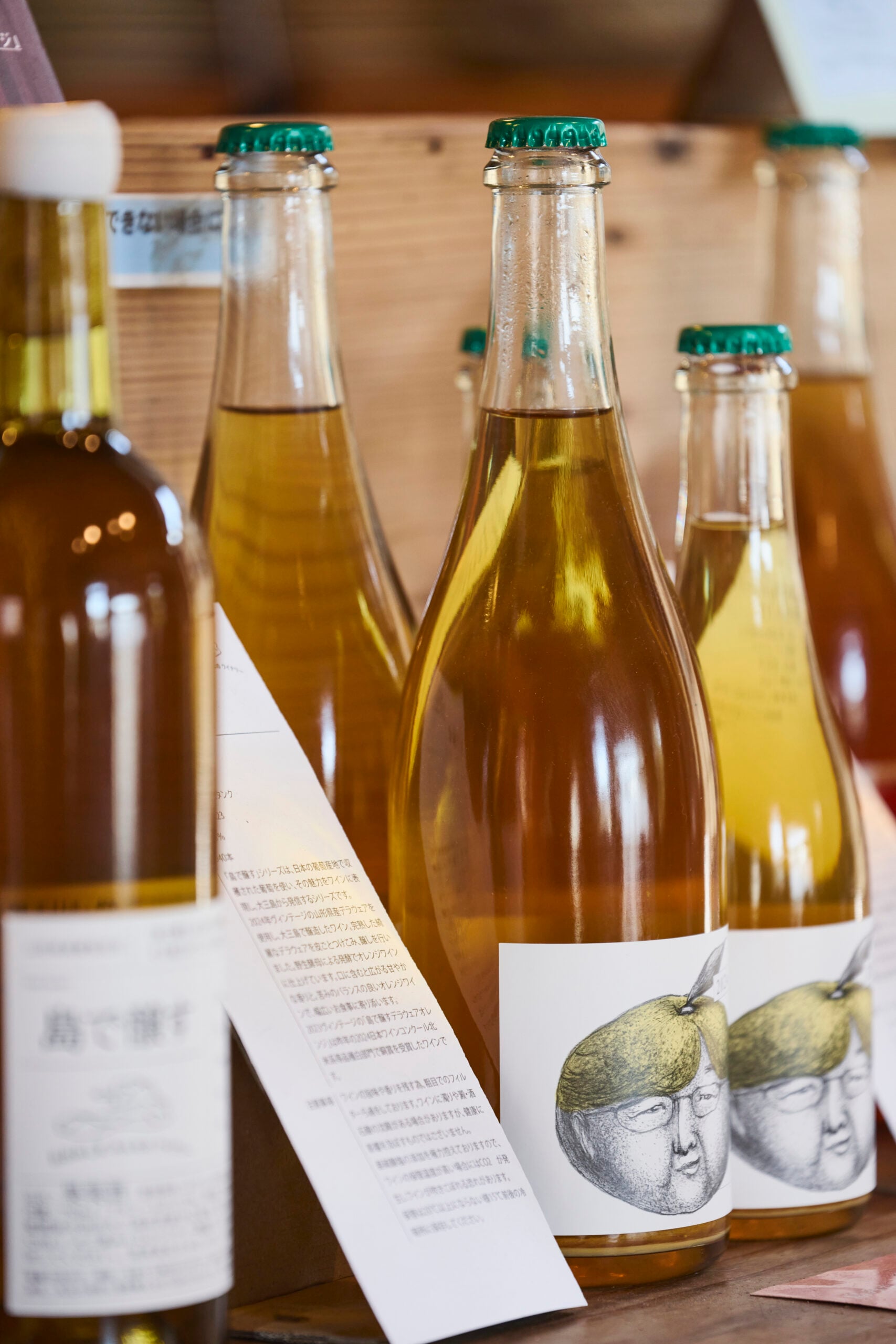
Faith and wine. Both take time. Both depend, in the end, on something larger than the people who tend them.
The stillness inside the shrine precincts and the quiet of the barrels in the winery are not the same kind of stillness. But they are related. They belong to the same island, the same light, the same unhurried sense that some things cannot be rushed — only received.
その他の記事
-
[Important] Beware of suspicious messages impersonating our hotel
We have been made aware that some guests with reservations are receiving suspicious messages via WhatsApp and other messaging apps. These messages ask guests to confirm their booking, re-enter credit
-
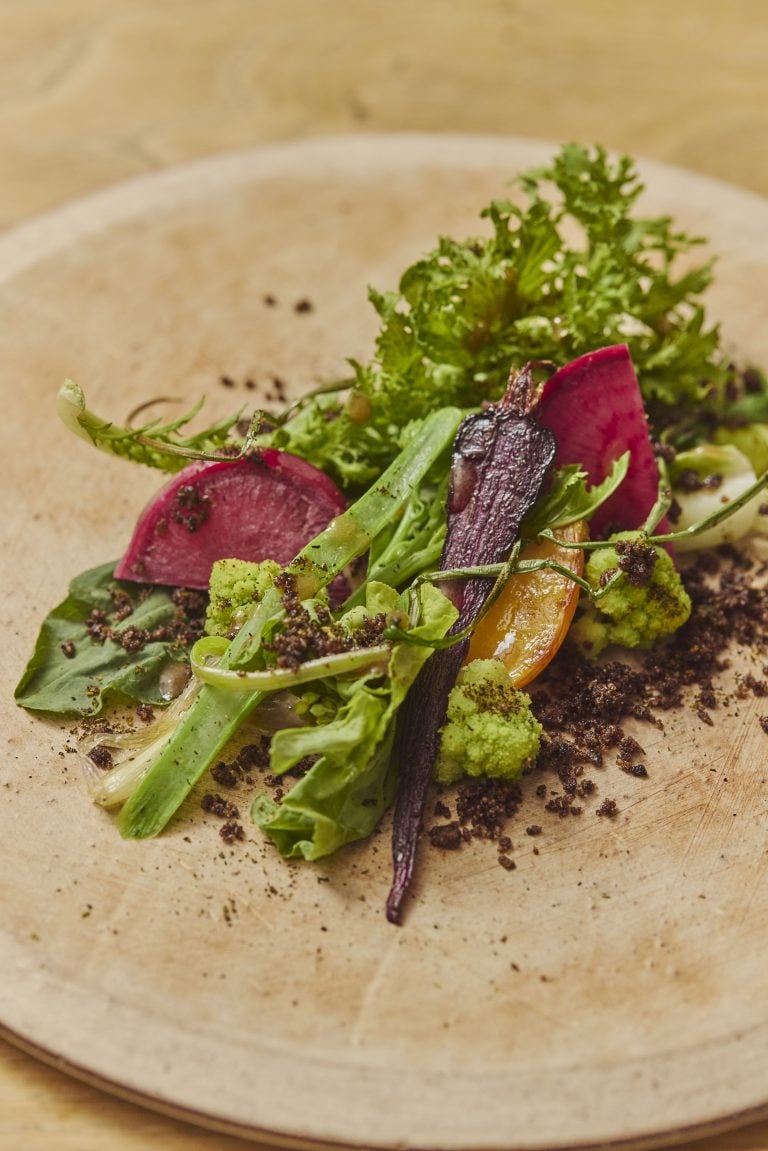
A Kitchen at the Crossroads of the Sea
Cyclical Medium – Remembering the Horiuchi Family