
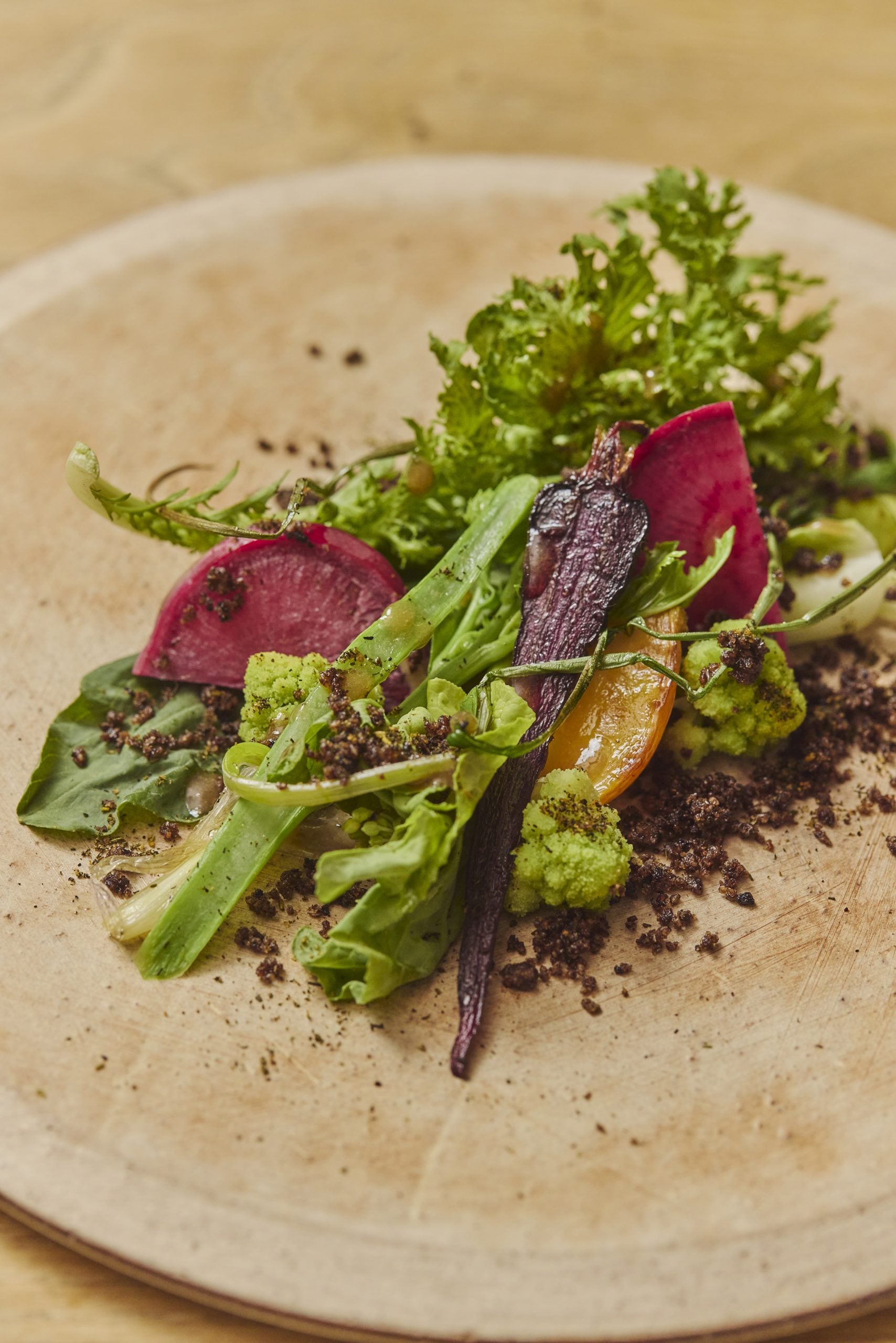
A Kitchen at the Crossroads of the Sea
When the tide turns, a ship cannot move.
There was a time in the port of Setoda when sailors had no choice but to wait. The winds would shift, the currents change, and boats from distant harbors would line the shore, side by side, going nowhere. Strangers would step off their vessels and find themselves sharing an afternoon with people they had never met and might never meet again.
Spices and bolts of cloth from far-off places were laid out along the docks. Those who had crossed different seas brought different ways of doing things — different knowledge, different habits, different ideas about how a life should be lived. Nobody asked where you were from or what you believed. You were simply here, held by the same tide, and for a little while your world and someone else’s world briefly overlapped.
The Japanese word for this was shiomachi — waiting for the tide.
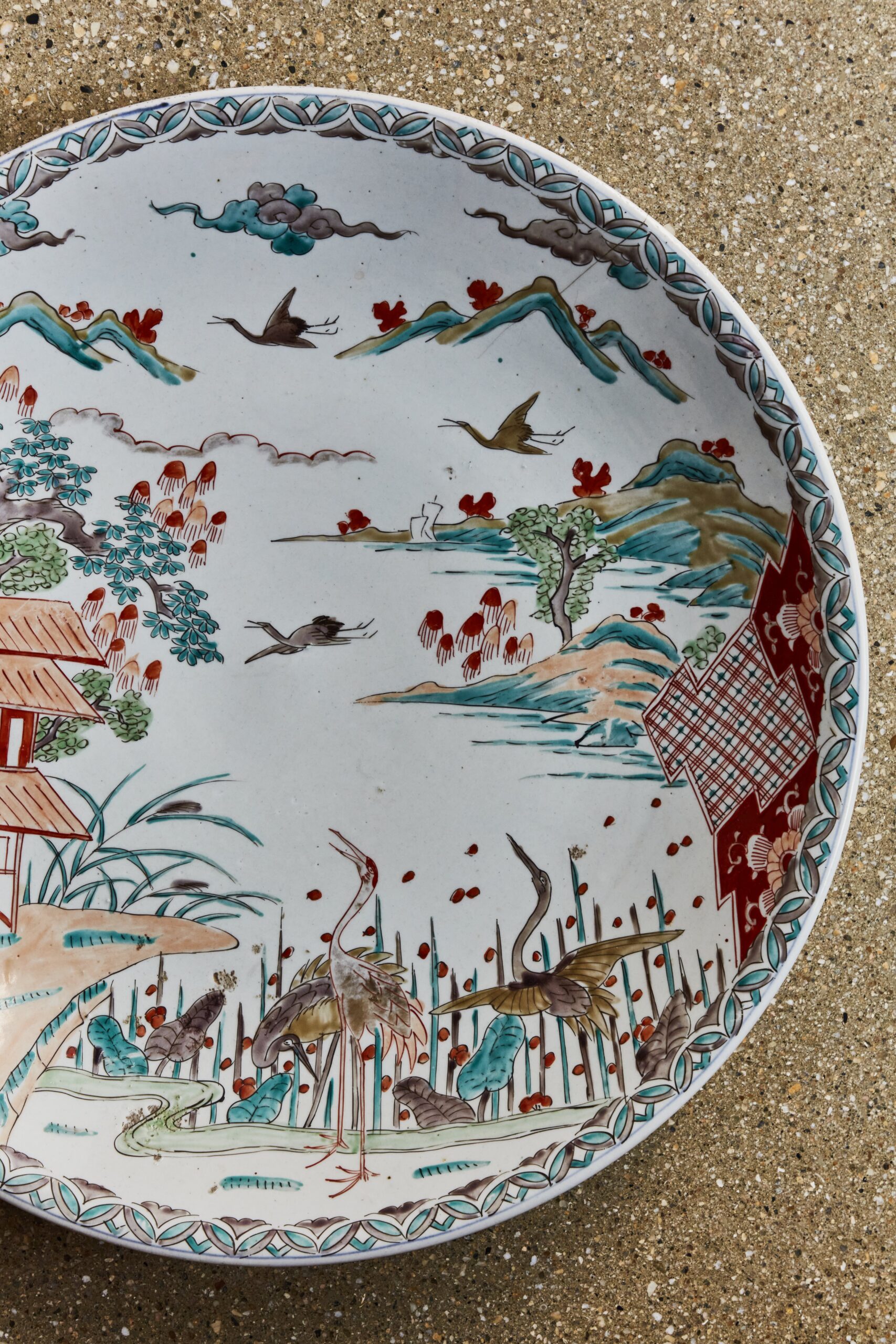
In the earthen-floored entryway of the old Horiuchi estate, there is a large decorative plate from Kutani.
The Horiuchi family, who once made this mansion their home, built their fortune through salt production and maritime trade — connecting ports up and down the Japanese coast, carrying goods between regions that rarely touched. Over generations of that work, whenever they encountered something beautiful in a distant harbor, they brought it home. The Kutani plate — fired in the kilns of Kaga, a province on the far side of Japan’s main island — arrived in Setoda that way. A vessel from somewhere else, now entirely at home here.
Today, that plate still comes to the table at Azumi Setoda.
Evening. You take your seat.
Fish from the Seto Inland Sea arrives carrying the faint scent of citrus. Then vegetables from the island, so fresh they seem to have just come up from the ground. The same ingredient, prepared by different hands from different traditions, can taste like an entirely different thing. One approach lets the ingredient speak plainly, in its own voice. Another coaxes out a sweetness that only patience can find. Neither is wrong. They are simply different ways of listening to the same thing.
The course at Azumi Setoda does not belong to a single cuisine or a single tradition. Each dish has its own intention, and the sequence of them builds something — a path. There are stretches that move gently, and moments that surprise. An opening where the view suddenly widens, and then a turn back into quiet.
Where it is going, you cannot know until you have walked it.
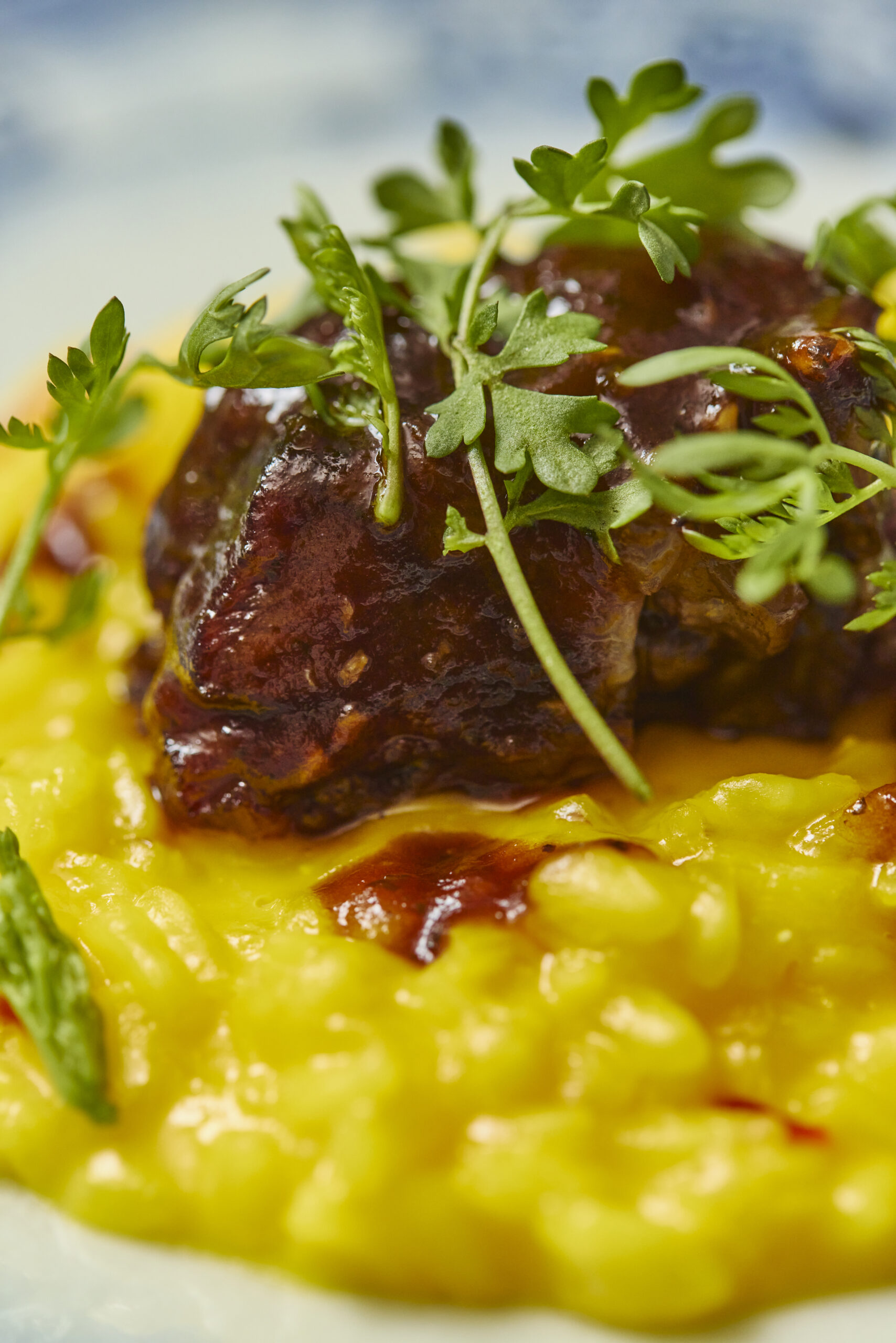
Every season, the kitchen shifts.
A new fisherman comes with a catch. Something from the mountains arrives without a name anyone recognizes yet. The dishes inherited from the Horiuchi family remain — the same plates, the same deep bowls — but what is placed inside them will be a little different each time, wearing the particular mood of the month.
The tide keeps changing.
Once, sailors who had rested in this port were pulled back to their routes, only to find themselves here again when the conditions were right. This table works the same way. Each time you return, it is familiar and yet not quite the same. It has been waiting, in its own way — for the season, for what the sea brings in, for you.
その他の記事
-
[Important] Beware of suspicious messages impersonating our hotel
We have been made aware that some guests with reservations are receiving suspicious messages via WhatsApp and other messaging apps. These messages ask guests to confirm their booking, re-enter credit
-
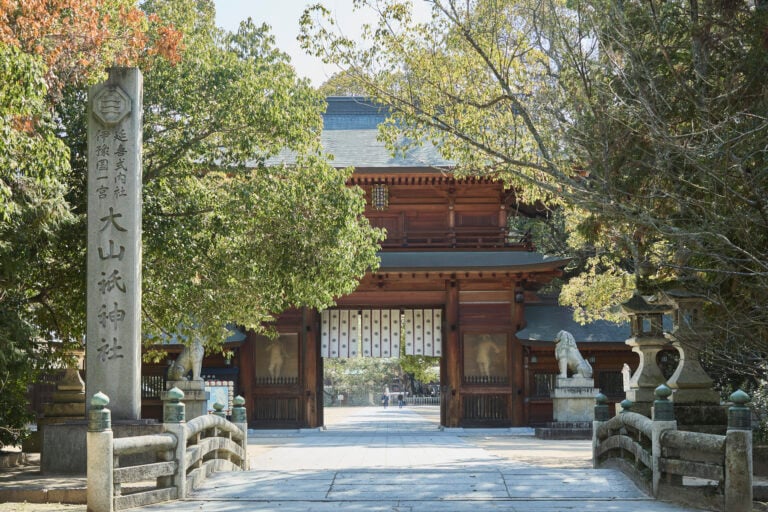
Tracing Faith and Landscape, Shaped by the Sea
In the Seto Inland Sea, there is an island that has long been called the island of the gods.